Anyone within the SEO-GEO (double-barreling it because I love the idea of having a double barreled surname at some point) will likely have been questioned or have questions on the difference between commodity and non-commodity content. What’s the difference?
In theory commodity content is something anyone (or anything) could write whereas non-commodity content has an element of uniqueness that means it cannot be easily replicated. What do we mean by uniqueness? It could be in the form of an interview with a subject matter expert, a report or data study you have run at your company or it could be as simple as sharing a personal case study for the subject you are writing about.

Does adding statistics help with AI citations?
This uniqueness can be tricky to add especially if you are trying to strike that tricky balance between writing good quality content at scale. It’s worth doing though, a study by Princeton University found that adding statistics and unique quotations to content increased AI visibility by 30-40%, if you own the statistics you are adding, even better.
We all know AI slop is flooding the internet at the moment and it’s causing a real issue when it comes to sorting the wheat from the chaff, so what’s the solution? AI of course (well, at least in part, let me explain).
TLDR: Be creative and when you are tasked with writing an article, what data could you compile to offer some unique context to your content. Use it to back up or even challenge your narrative.
Why does AI prefer unique data?
AI prefers unique data because it gives the system something clear, specific and evidence-led to reference. When lots of websites repeat the same general advice, there is little to separate one source from another. Original data, such as survey findings, internal trends or fresh analysis, adds new information to the conversation and gives AI tools a stronger reason to cite that page. It also helps show authority, as the brand is not just commenting on a topic but contributing useful evidence that others cannot easily replicate.
How brands can start creating unique data
You do not always need a large research budget and lots of time. Start with the data and expertise you already have or take a look at third-party sources online to create unique data points.
Useful places to start include:
- Reviewing customer enquiries
- Analysing website search data
- Comparing regional demand
- Surveying your audience
- Auditing competitor visibility
- Analysing public datasets
- Interviewing internal experts
- Tracking recurring industry questions
- Turning client FAQs into research-led content
If you are in a pinch with a deadline coming up, some of my favourite places to look are:
- Reddit: Great for getting unfiltered views on a subject
- Social Media: Try looking for hashtags within your subject to see if there are any interesting datapoints
- Trustpilot/Tripadvisor reviews: Take a look at the review sites within your niche, these can be great for sourcing data
- Google Trends: Not unique data in and of itself, but it can be used to add to your narrative
Within the above 4 methods, I would start by thinking about an angle that could be useful for the content I am writing.
Practical use cases: Let’s say I am writing a guide on the common mistakes to avoid when pitching journalists.
Taking a look at Reddit and crawling for a list of threads within the DPR niche that match terms like ‘pitching mistakes’ or ‘worst pitch stories’ will provide a treasure trove of insights that can be plugged into AI to synthetise and spot trends.
A bar chart showing the most common mistakes journalists flag according to Reddit likely hasn’t been done before and can add a great datapoint to your article without having to commission a huge survey. Just make sure you have footnotes and caveats in there for how you have compiled the data.
Our examples of unique data
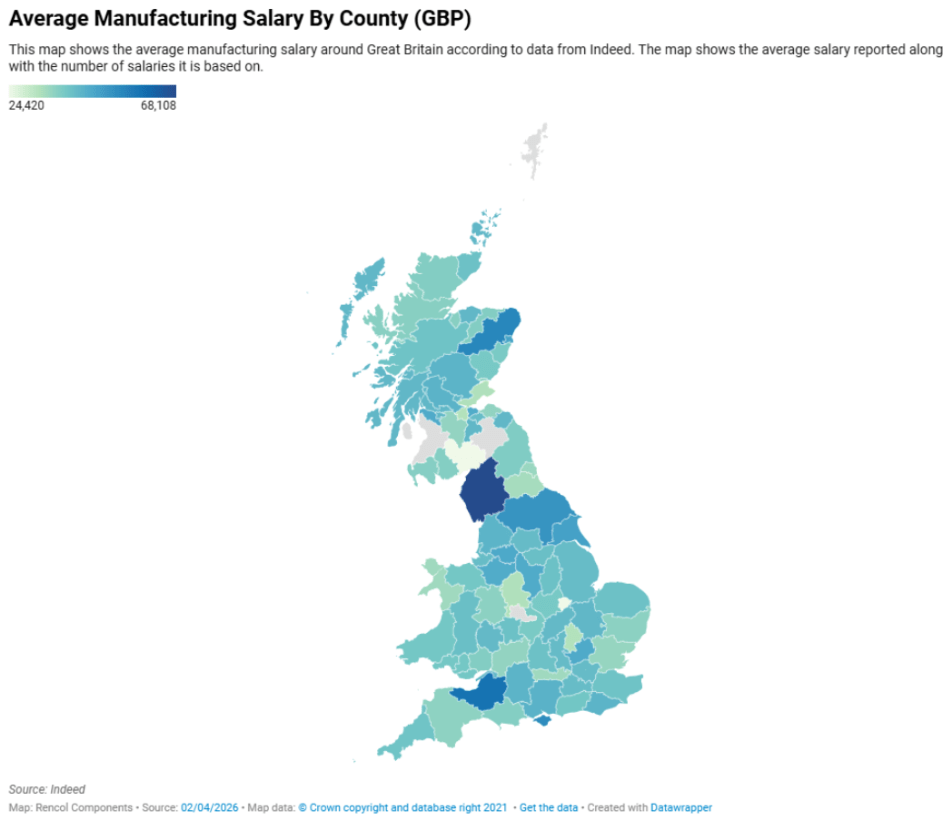
Rencol: Average Manufacturing Salaries across the UK: Following a digital PR brainstorming session with the client we looked at what their target media was writing about and spotted a gap for a story pitch around manufacturing salaries. We put the data using AI to crawl for county-level Indeed pages and aggregate the results.
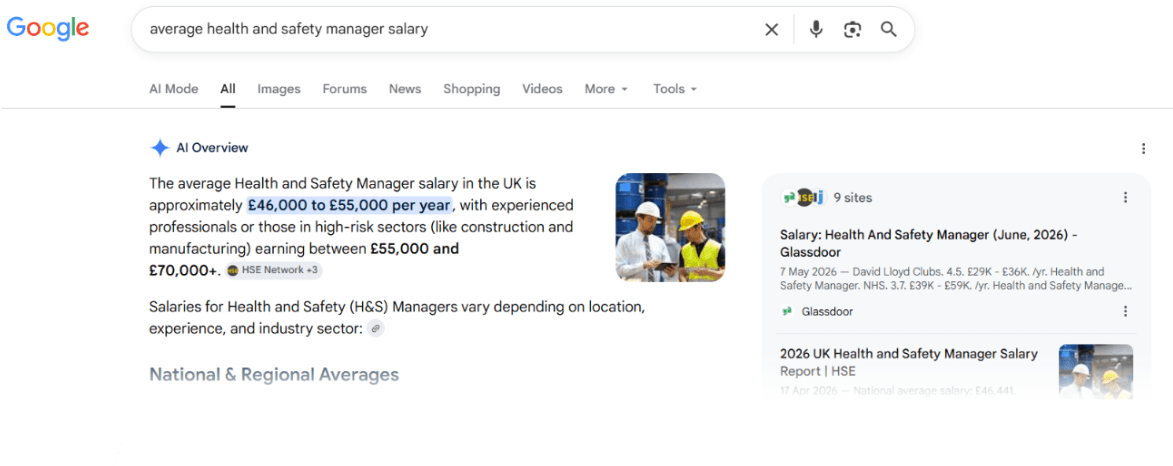
HSE Network: Average HSE manager salaries in the UK: The campaign with our client Rencol worked great, so we also replicated the same data study for HSE Network. Same principles, using AI to crawl and aggregate data on the average salary of the HSE manager around the UK. It’s a great performing page for the site now and we are featured alongside Glassdoor for a very competitive term (great supporting content for HSE Network’s job board product)
Focus on how you can differentiate your content
As search continues to shift towards AI-led discovery, the brands that stand out will be the ones adding something genuinely useful to the conversation. Micro-data is a great place to start if you don’t have the time or budget for bigger reports.
Think about what would add the most value to your content. Once you start gathering data, you will often uncover new ideas, patterns and angles that can shape the direction of the piece. This all helps make your content more unique, more useful and more likely to cut through in a sea of AI slop.
If you want to learn more about how we create content that ranks works for SEO, GEO and your customers, then get in touch with a member of the Varn team today.
Looking for digital PR expertise to build brand authority online?
Get in touchYou might also be interested in...
AI & innovation, Digital PR 18.06.26
Why digital PR is essential in the age of AI search
Read more
Article by:
AI & innovation 21.03.25
7 ways to optimise your website copy for search engines and LLMs
Read more
Article by: